
EXH. A
Surveillance
Security cameras may show:
- —When the hazard appeared
- —Who encountered it
- —Whether employees passed the area
- —Whether warnings were present
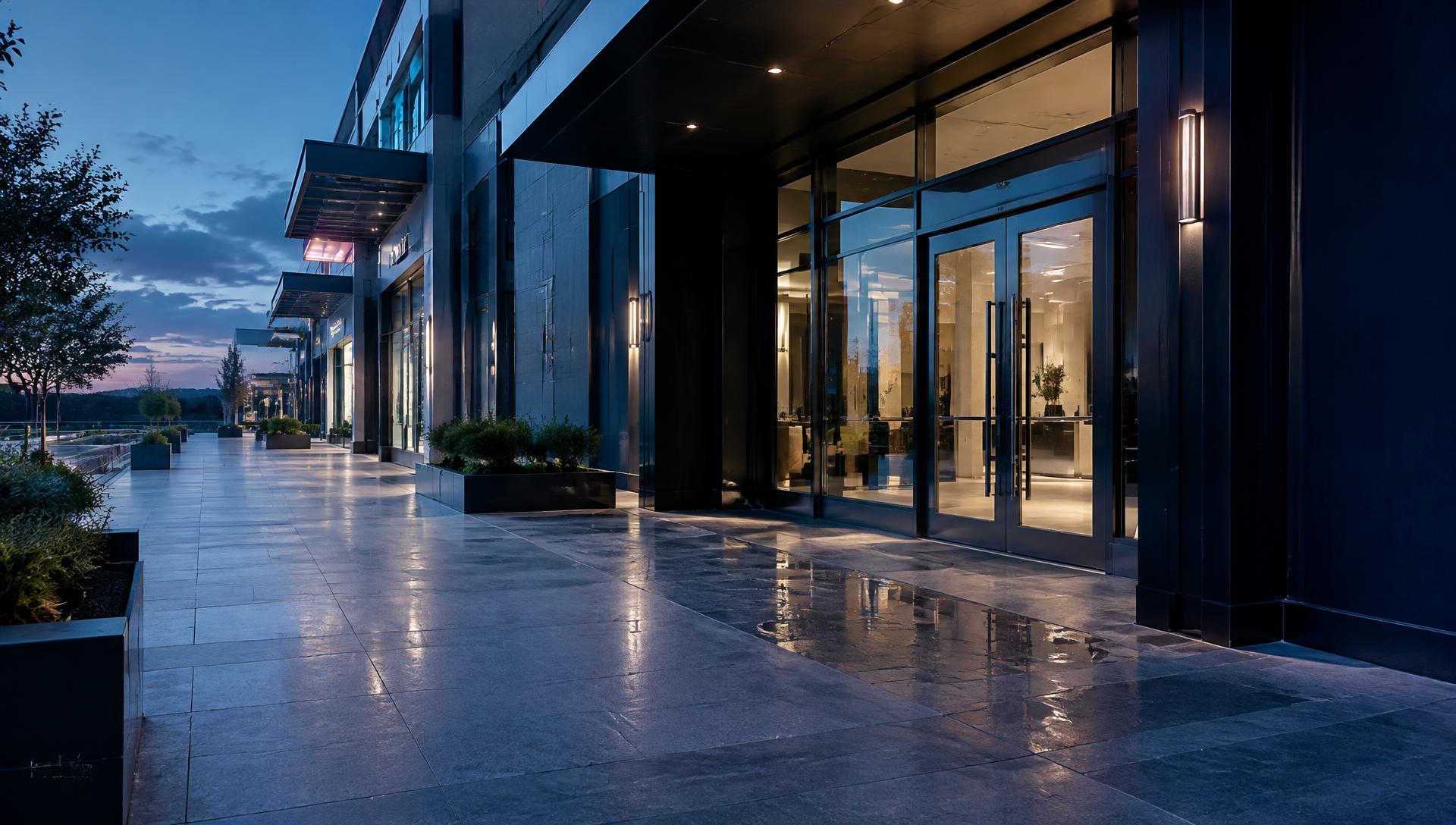
A fall or injury on someone else's property can leave you facing medical bills, lost income and difficult questions about who was responsible. SinghToro Law investigates the condition, the owner's notice and the evidence surrounding what happened.
Confidential consultation • No fee unless we recover
Premises liability cases can depend on whether a property owner or operator knew, or reasonably should have known, about a dangerous condition and failed to address it.
An injury on someone's property does not by itself establish liability. The sequence shown is an illustrative example only — every premises case is different.
A spill, a broken step, a failed light.
Or reasonably should have become aware.
How long it existed can matter.
No cleanup, cone, sign or barrier.
A visitor encounters the condition.
Georgia premises cases can turn on what the owner knew or should have known about a hazard and how long it existed. These are the kinds of records that may help answer that question.
Security cameras may show:
Maintenance and inspection records may help show:
Reports created after an incident may document:
Witnesses may help establish:
CAM_02 ……… overwritten?
MAINT_LOG … location unknown
WITNESS ……… memory fades
A dangerous condition may be repaired. A camera recording may be overwritten. A maintenance log may become harder to locate. Preserving relevant evidence can be important when investigating what happened.
Surveillance footage, digital records and maintenance documentation are not kept forever, and retention practices vary by property. Requesting preservation of video and maintenance records early can matter. We cannot promise any particular evidence exists — but we can move quickly to look for it.
Examples only. A dangerous condition at any of these locations does not automatically create legal liability.
Wet floors, obstacles, falling merchandise and other unsafe conditions.
Unsafe floors, spills, poor lighting and other hazards.
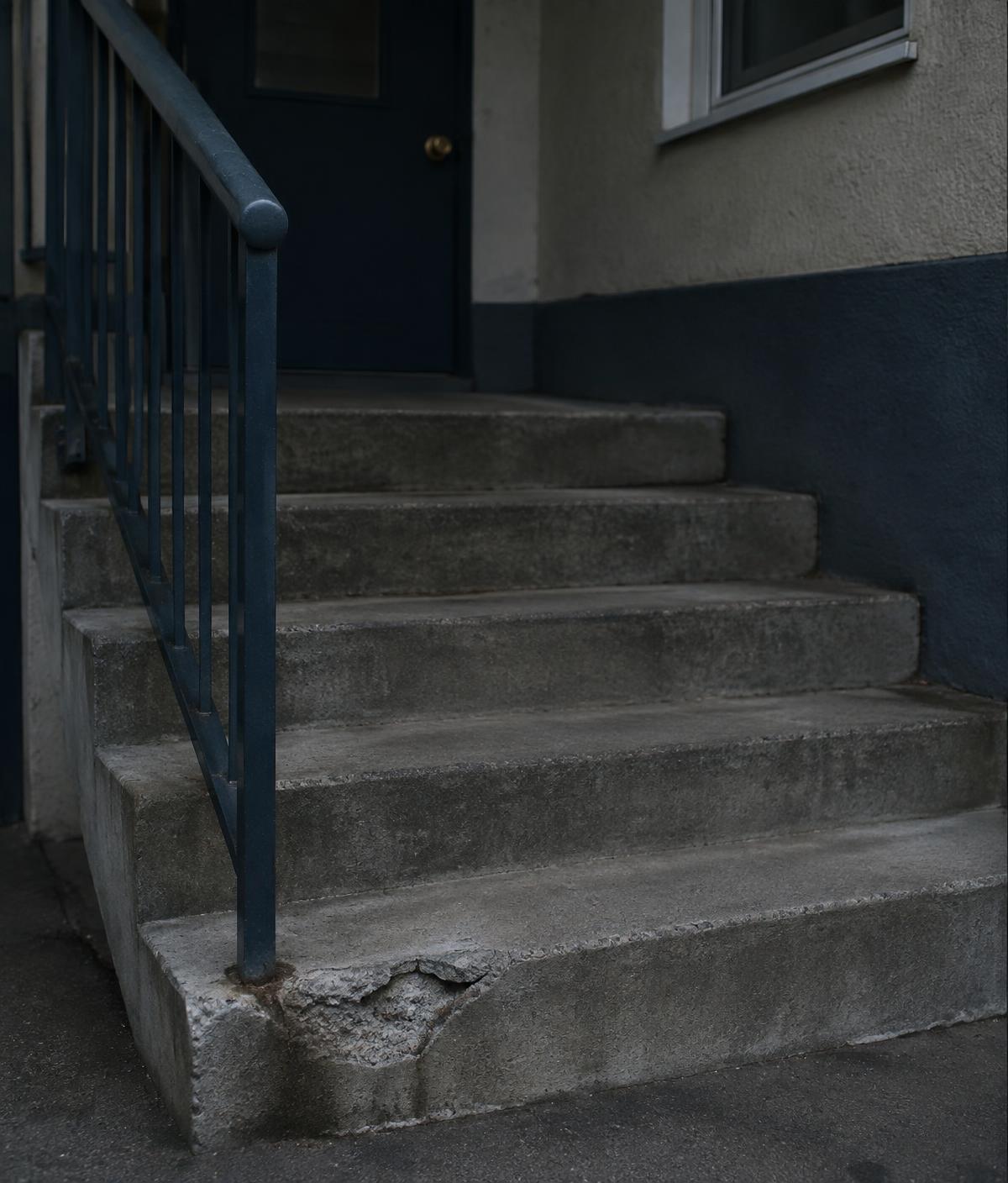
Unsafe stairs, inadequate maintenance and other property conditions.
Potholes, uneven surfaces, inadequate lighting and other hazards.
Unsafe walkways, stairs, elevators and other dangerous conditions.
Other locations where visitors may encounter dangerous conditions.
The presence of a hazard alone does not automatically establish legal liability. The circumstances, notice, causation and applicable law all matter.
Injuries from premises incidents vary widely, and not every case involves serious harm. Fractures, head injuries and long-term mobility loss can affect work, family and daily life. Medical documentation is often important to understanding the full impact.
A property owner may argue that an injured person failed to exercise reasonable care. That argument is neither automatically right nor automatically wrong.
Georgia premises liability cases can involve comparative-fault issues, where both the owner's and the visitor's conduct are considered. The specific facts matter — this is general information, not legal advice about your situation.
Factors that may matter
General examples of investigation steps. The work in each matter depends on its facts; this is not a guaranteed process for every case.
Identify available photographs, video, reports and other evidence.
Determine what condition allegedly caused the injury.
Look for evidence showing what the owner or operator knew or should have known.
Examine available inspection, cleaning and maintenance information.
Build a clear picture of treatment, recovery and long-term impact.
Assess liability, damages, insurance and the available evidence.
SinghToro Law represents people injured because of negligence and handles premises-related injury claims with an emphasis on investigation, preparation and direct attorney communication.
You speak with attorneys, not intermediaries.
Hazard, notice and records come first.
Each claim is built as if it may need to go further.
Principal Attorney
Attorney — premises liability focus
Attorney — premises liability focus
Full attorney biographies are available at singhtorolaw.com/attorneys.
$975K
Premises Liability
Fall caused by an unmarked hazard captured on preserved surveillance footage.
Prior results do not guarantee a similar outcome. Every case is different.
SinghToro Law is based in Chamblee and represents injured people throughout Georgia, including Atlanta, Chamblee, Marietta, Kennesaw, Douglasville and Savannah, and Cobb, DeKalb, Fulton and Gwinnett Counties. These are communities we serve — our office is in Chamblee.
General information only — not legal advice.
Premises liability is the area of law that addresses injuries caused by dangerous conditions on property. In Georgia, a claim can depend on the visitor's status, the condition itself, what the owner or operator knew or should have known, and whether reasonable steps were taken to fix or warn about it.
Get medical attention first. If you can, photograph the condition and the area, note names of witnesses and employees, ask that an incident report be made, and keep your shoes, clothing and receipts. Avoid giving recorded statements before understanding your options.
Notice may be shown through surveillance footage, inspection and cleaning logs, prior complaints, maintenance requests, employee testimony or evidence showing how long the condition existed. What is available differs in every case.
That is a common response. The question is often whether the owner reasonably should have known — for example, if the condition existed long enough that a reasonable inspection would have found it. Records and witnesses can help answer that.
Video can show when a hazard appeared, who walked past it and whether warnings were present. Footage may be overwritten, so it is often important to request preservation early. Its existence is never guaranteed.
A property owner may argue the injured person failed to use reasonable care. Factors such as lighting, the hazard's visibility and location, warnings and the owner's notice can all matter. The specific facts decide how this is evaluated.
Injuries vary widely and may include fractures, head and brain injuries, back and spinal injuries, soft-tissue and joint injuries, and long-term mobility limitations. Medical documentation helps show the full impact.
Yes. Premises claims can arise at retail stores, restaurants, apartment and rental properties, parking lots and garages, office buildings and other properties open to visitors. Whether a claim exists depends on the circumstances.
Georgia applies comparative-fault principles, which means an injured person's own conduct may be considered and can affect a recovery. How it applies depends on the facts, so it is worth discussing with a lawyer.
As soon as reasonably possible after getting medical care. Early contact can help with requesting preservation of evidence and understanding deadlines that may apply to your situation.
Were you injured because of a dangerous condition on someone else's property? Tell us what happened and SinghToro Law can review your circumstances.
Prefer to talk? 844-STL-LAW
Office hours Monday–Saturday, 8:00am–5:00pm. New-injury calls answered 24 hours a day.
Every consultation is confidential and free of charge. There is no fee unless we recover for you.
Submitting this form does not create an attorney-client relationship. Please do not include confidential information.
If you were injured on someone else's property, the circumstances surrounding the hazard can matter. SinghToro Law can review what happened and explain your legal options.